
Remote Expense Auditor
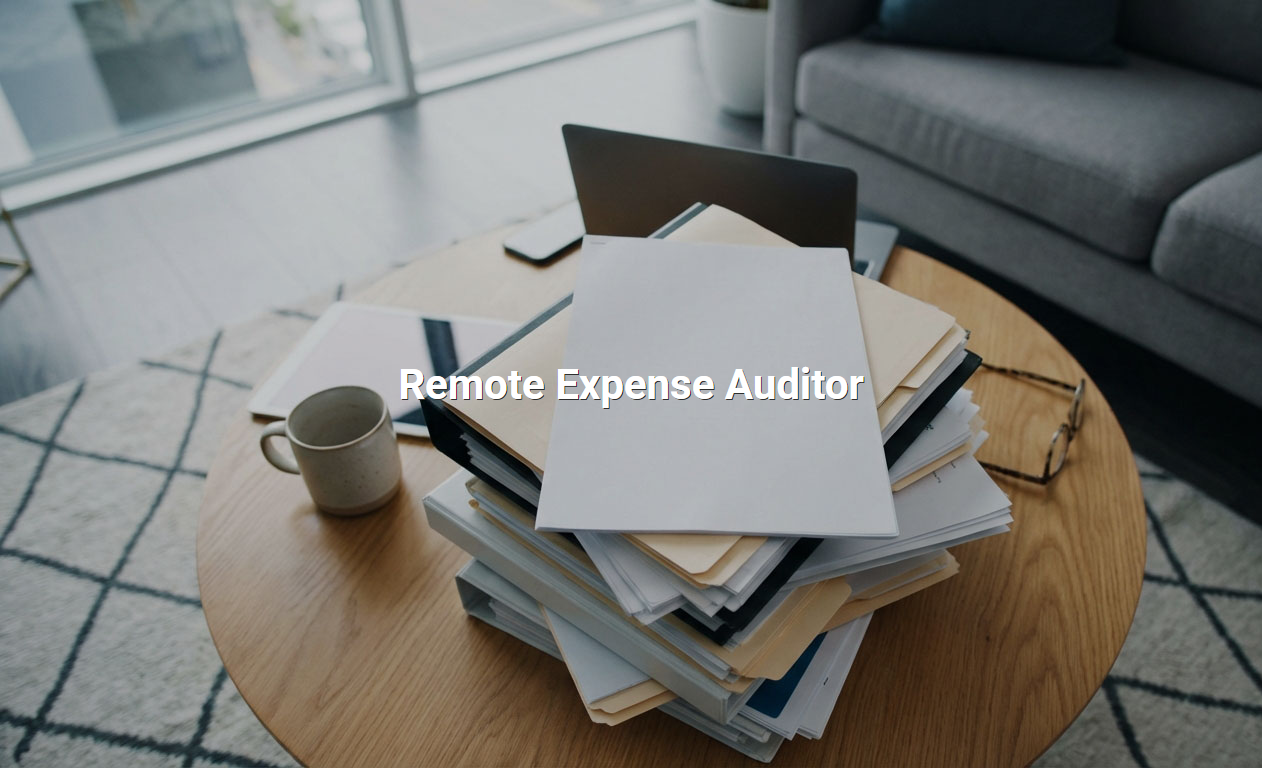
A Remote Expense Auditor reviews and verifies expense reports submitted by employees or departments to ensure accuracy, compliance, and proper documentation. This role involves analyzing financial records, identifying discrepancies, and recommending improvements to expense management processes. Expertise in accounting principles and attention to detail are essential for effective auditing in a remote work environment.
What Is a Remote Expense Auditor?
A Remote Expense Auditor is a professional who evaluates and verifies business expense reports from a remote location to ensure accuracy and compliance. This role involves analyzing financial documents, identifying discrepancies, and recommending corrections without the need for on-site presence.
- Expense Verification - Reviews and cross-checks submitted expense claims against company policies to validate legitimacy.
- Compliance Monitoring - Ensures expense reports adhere to regulatory standards and internal guidelines.
- Discrepancy Resolution - Identifies errors or fraudulent claims and communicates findings for corrective action.
Key Responsibilities of a Remote Expense Auditor
A Remote Expense Auditor reviews and verifies expense reports submitted by employees to ensure compliance with company policies and regulatory requirements. They analyze receipts, invoices, and financial documents to detect discrepancies or fraudulent activities.
The auditor communicates findings clearly to management and recommends corrective actions to improve expense reporting accuracy. They utilize accounting software and auditing tools to maintain detailed records and generate audit reports remotely.
Essential Skills for Remote Expense Auditors
Remote Expense Auditors play a critical role in verifying financial records and ensuring compliance with company policies from a remote location. Their expertise helps organizations minimize errors and prevent fraudulent expense claims.
- Attention to Detail - Ability to meticulously review expense reports and receipts to identify discrepancies or inaccuracies.
- Accounting Knowledge - Strong understanding of accounting principles and expense management systems to evaluate claim legitimacy.
- Communication Skills - Proficient in conveying findings clearly with team members and stakeholders through virtual platforms.
- Time Management - Capable of prioritizing and managing multiple audits efficiently within set deadlines remotely.
- Technical Proficiency - Skilled in using expense auditing software and digital tools essential for remote financial verification.
Mastering these essential skills ensures Remote Expense Auditors maintain high accuracy and integrity while working independently in a virtual environment.
Top Tools Used by Remote Expense Auditors
Remote Expense Auditors primarily use expense management software like SAP Concur and Expensify to track and verify business expenses efficiently. They rely on accounting tools such as QuickBooks and Xero for accurate financial record-keeping and reporting. Advanced data analysis platforms like Microsoft Excel and Tableau support auditors in identifying discrepancies and ensuring compliance with company policies.
Benefits of Hiring a Remote Expense Auditor
Hiring a remote expense auditor improves cost control by identifying discrepancies and ensuring compliance with company policies. They provide accurate financial insights that help streamline budgeting and reduce unnecessary expenditures.
Remote auditors offer flexibility and access to specialized expertise without geographical limitations. Their services can lead to faster turnaround times and increased efficiency in expense management processes.
Common Challenges in Remote Expense Auditing
Remote Expense Auditors face unique challenges that impact accuracy and efficiency. Managing discrepancies without physical access to documents creates significant hurdles.
- Data Verification Difficulty - Confirming the authenticity of digital receipts and invoices remotely can lead to delays and errors.
- Communication Barriers - Coordinating with multiple departments across time zones complicates issue resolution and clarifications.
- Fraud Detection Complexity - Identifying subtle fraudulent activities becomes more challenging without on-site presence and direct oversight.
How to Become a Remote Expense Auditor
| Step | Details |
|---|---|
| Education | Obtain a high school diploma or associate degree; relevant courses in accounting or finance are beneficial. |
| Gain Experience | Work in accounting, finance, or auditing roles to develop skills in expense tracking and financial analysis. |
| Develop Skills | Learn expense management software, strong attention to detail, and analytical thinking to audit financial records efficiently. |
| Obtain Certification | Consider certifications such as Certified Internal Auditor (CIA) or Certified Fraud Examiner (CFE) to enhance credibility. |
| Find Remote Opportunities | Search job boards and company websites for remote expense auditor positions, emphasize remote work skills like communication and time management. |
Best Practices for Remote Expense Auditing
Remote Expense Auditors ensure accurate and compliant financial reporting by thoroughly reviewing expense reports from distributed teams. They utilize cloud-based accounting software and secure communication tools to verify receipts, detect discrepancies, and enforce company policies remotely. Best practices include regular training on expense guidelines, maintaining clear documentation, and leveraging automated audit tools to enhance efficiency and accuracy.
Remote Expense Auditor Salary and Career Outlook
What is the salary range for a Remote Expense Auditor? Remote Expense Auditors typically earn between $50,000 and $75,000 annually, depending on experience and location. Specialized skills in finance and auditing can increase earning potential in this role.
What is the career outlook for Remote Expense Auditors? The demand for Remote Expense Auditors is expected to grow as more companies adopt remote work and seek cost control measures. This role offers opportunities for advancement into financial analysis and compliance positions.