
Remote Executive Administrator
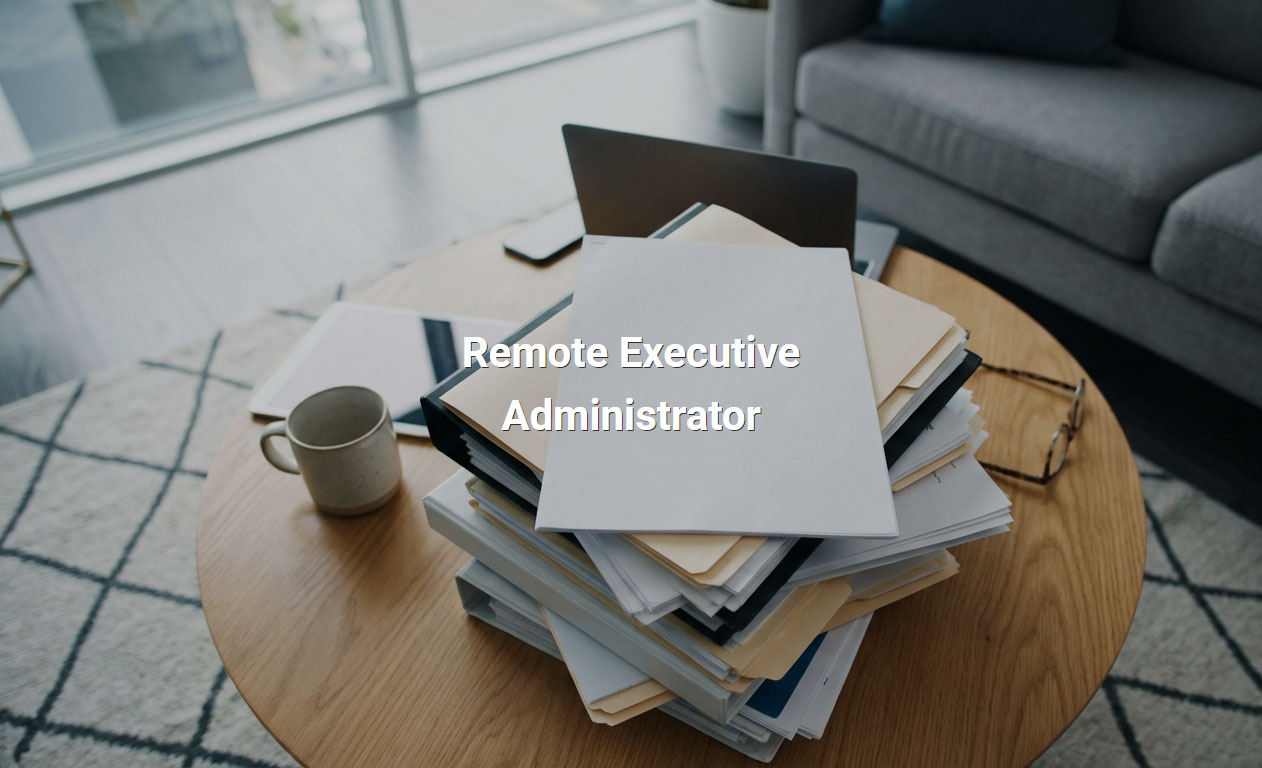
Remote Executive Administrators expertly manage complex schedules, communications, and projects from any location, ensuring seamless executive support. They leverage advanced organizational skills and digital tools to optimize workflow and maintain confidentiality. Proficiency in virtual collaboration and problem-solving is essential to excel in this dynamic role.
Key Responsibilities of a Remote Executive Administrator
Remote Executive Administrators provide high-level administrative support to executives from a remote location, ensuring efficient management of schedules and communications. They play a crucial role in facilitating seamless operations and supporting decision-making processes.
- Calendar Management - Organize and maintain executives' schedules, coordinating meetings and appointments to maximize productivity.
- Communication Handling - Manage emails, calls, and correspondence to ensure timely and effective communication.
- Travel Coordination - Plan and arrange travel itineraries, accommodations, and logistics for business trips.
Remote Executive Administrators enhance executive efficiency by managing critical administrative tasks with precision and confidentiality.
Essential Skills for Remote Executive Administrators
Remote Executive Administrators must demonstrate exceptional organizational skills to manage schedules, coordinate meetings, and handle communications efficiently. Proficiency in digital tools like calendar software, email platforms, and project management applications is essential for seamless remote collaboration.
Strong written and verbal communication skills ensure clear and effective interactions with executives and team members across various time zones. Adaptability and problem-solving abilities help manage unexpected challenges and maintain workflow continuity in a remote environment.
Tools and Technology for Remote Executive Administration
Remote Executive Administrators utilize advanced digital tools to enhance productivity and streamline communication across virtual environments. Mastery of cloud-based platforms and collaboration software is essential for efficient remote executive support.
- Calendar Management Software - Tools like Google Calendar and Microsoft Outlook enable seamless scheduling and appointment coordination.
- Communication Platforms - Slack, Microsoft Teams, and Zoom facilitate real-time messaging, video conferencing, and virtual meetings.
- Document Management Systems - Applications such as Google Drive, Dropbox, and SharePoint support secure file sharing and collaborative document editing.
Managing Calendars and Scheduling Remotely
A Remote Executive Administrator expertly manages calendars to ensure seamless scheduling of meetings, appointments, and deadlines. They coordinate time zones and prioritize events to maximize productivity and minimize conflicts. Efficient use of digital tools enables them to maintain real-time updates and facilitate smooth communication across remote teams.
Best Practices for Virtual Communication
Overcoming Common Remote Work Challenges
A Remote Executive Administrator manages schedules, communications, and projects efficiently while working from a distance. They utilize digital tools and proactive communication to maintain seamless collaboration with executives and teams.
Overcoming common remote work challenges involves establishing clear communication channels and setting consistent availability for meetings and updates. This role requires strong organizational skills to prioritize tasks and manage time effectively despite distractions. The ability to troubleshoot technical issues quickly ensures minimal disruption to workflow and productivity.
Building Effective Relationships with Executives Online
Building effective relationships with executives online is crucial for a Remote Executive Administrator to facilitate seamless communication and collaboration. Establishing trust and clear expectations enhances productivity and supports executive goals in virtual environments.
- Proactive Communication - Initiates timely and clear updates to keep executives informed and engaged.
- Personalized Interaction - Adapts communication style to align with each executive's preferences and priorities.
- Reliable Support - Consistently delivers accurate information and anticipates executive needs to foster confidence.
Time Management Strategies for Remote Administrators
Remote Executive Administrators play a crucial role in managing schedules, communications, and tasks for executives across different time zones. Mastering time management strategies enables them to prioritize tasks efficiently and maintain productivity despite remote work challenges.
Effective time management includes using digital calendars, task management tools, and setting clear boundaries to avoid burnout. These strategies help remote administrators ensure timely completion of assignments and smooth coordination with stakeholders worldwide.
Security and Confidentiality in Remote Administration
A Remote Executive Administrator manages sensitive company information while ensuring strict security protocols are followed to protect confidential data. They implement secure communication channels and use encrypted tools to maintain privacy during virtual interactions. Their role includes monitoring access controls and safeguarding digital documents to prevent unauthorized access in a remote work environment.