
Remote Personal Accountant
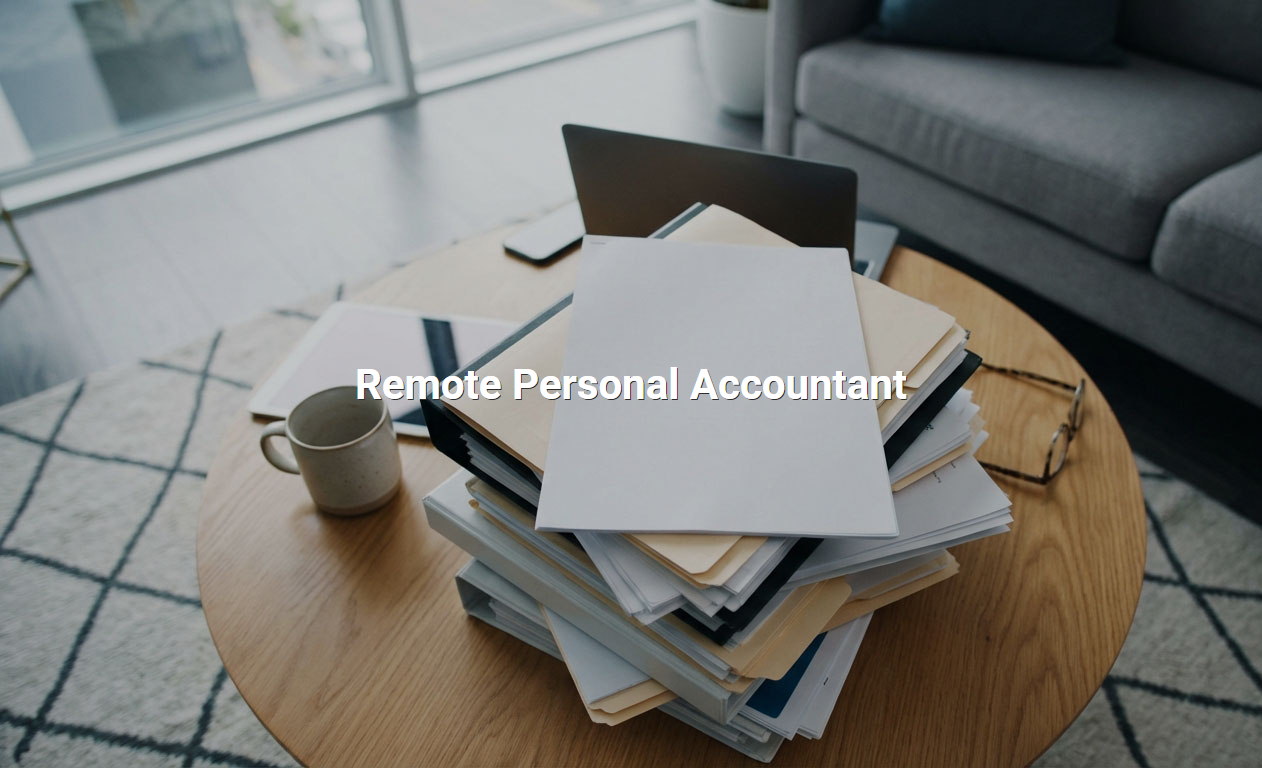
A remote personal accountant manages financial records, prepares tax documents, and provides budgeting advice from a virtual setting. They ensure accurate bookkeeping, monitor expenses, and help clients optimize their financial strategies. Proficiency in accounting software and strong communication skills are essential for efficient remote collaboration.
What Is a Remote Personal Accountant?
A Remote Personal Accountant manages an individual's financial records, budgeting, tax filings, and investment tracking from a remote location. They use cloud-based accounting software to streamline financial processes and ensure accuracy. This role requires strong analytical skills, attention to detail, and effective communication to provide personalized financial advice and support.
Key Benefits of Hiring a Remote Personal Accountant
Hiring a remote personal accountant offers flexibility and expert financial management without the constraints of location. This role ensures accurate, timely handling of personal finances while reducing overhead costs for clients.
- Cost Efficiency - Hiring remotely eliminates expenses related to office space, utilities, and commuting, lowering overall accounting costs.
- Access to Specialized Expertise - Remote accountants provide specialized financial knowledge tailored to individual needs regardless of geographical boundaries.
- Enhanced Time Management - Flexible scheduling allows accountants to work during optimal hours, ensuring prompt and efficient service delivery.
Essential Skills of a Successful Remote Personal Accountant
Remote Personal Accountants must possess strong analytical skills and proficiency in accounting software to manage financial records accurately from a distance. Effective communication and time management are essential to coordinate with clients and meet deadlines efficiently.
A successful Remote Personal Accountant demonstrates expertise in bookkeeping, tax preparation, and financial reporting. They maintain high attention to detail while handling sensitive financial data securely. Adaptability to various digital tools and remote collaboration platforms enhances their productivity and client satisfaction.
How Remote Accountants Ensure Financial Security
Remote personal accountants ensure financial security by meticulously managing clients' financial records and transactions using secure cloud-based accounting software. They monitor and analyze financial data to detect discrepancies and prevent fraud, ensuring compliance with regulatory standards. Through regular financial reporting and strategic advice, remote accountants help clients maintain accurate budgets and safeguard their assets against potential risks.
Top Tools Used by Remote Personal Accountants
| Tool | Purpose |
|---|---|
| QuickBooks Online | Managing clients' financial records, invoicing, and expense tracking |
| Xero | Cloud-based accounting software for bookkeeping and bank reconciliations |
| FreshBooks | Time tracking, billing, and client management |
| Microsoft Excel | Data analysis, financial modeling, and custom reporting |
| Expensify | Expense management and receipt scanning for accurate reimbursement |
Remote Personal Accountant vs. Traditional Accountant
What distinguishes a Remote Personal Accountant from a Traditional Accountant? A Remote Personal Accountant manages financial records and offers accounting services entirely online, providing flexibility and accessibility. Traditional Accountants typically work on-site, handling financial tasks within a physical office setting, which may limit remote interaction.
How do the working environments differ between Remote Personal Accountants and Traditional Accountants? Remote Personal Accountants utilize cloud-based software and communication tools to collaborate with clients virtually. Traditional Accountants rely more on face-to-face meetings and physical document handling in an office environment.
Steps to Find the Right Remote Personal Accountant
Finding the right remote personal accountant begins with identifying your specific financial needs, such as tax preparation, budgeting, or investment management. Research candidates who specialize in these areas and have verified credentials like CPA certification.
Next, evaluate their experience with remote work tools and communication platforms to ensure seamless collaboration. Request client references and conduct interviews to assess their reliability, responsiveness, and attention to detail.
Cost-Effectiveness of Remote Accounting Services
A Remote Personal Accountant manages financial records and transactions from a virtual location, ensuring accurate bookkeeping and timely reporting. This role leverages cloud-based accounting software to streamline processes and maintain real-time financial oversight.
The cost-effectiveness of remote accounting services lies in reduced overhead expenses, such as office space and commuting costs. Companies benefit from flexible staffing models, accessing skilled accountants without geographic limitations, which lowers overall operational costs.
Common Challenges in Remote Personal Accounting
Remote Personal Accountants face unique obstacles that impact the accuracy and efficiency of financial management from a distance. Understanding these challenges is essential for maintaining seamless financial operations and client trust.
- Communication Barriers - Lack of face-to-face interaction can lead to misunderstandings and delays in clarifying financial details.
- Data Security Risks - Handling sensitive financial information remotely increases vulnerability to cyber threats and data breaches.
- Technology Dependence - Reliance on software and internet connectivity can disrupt workflows during technical failures or outages.