
Remote Tax Accountant
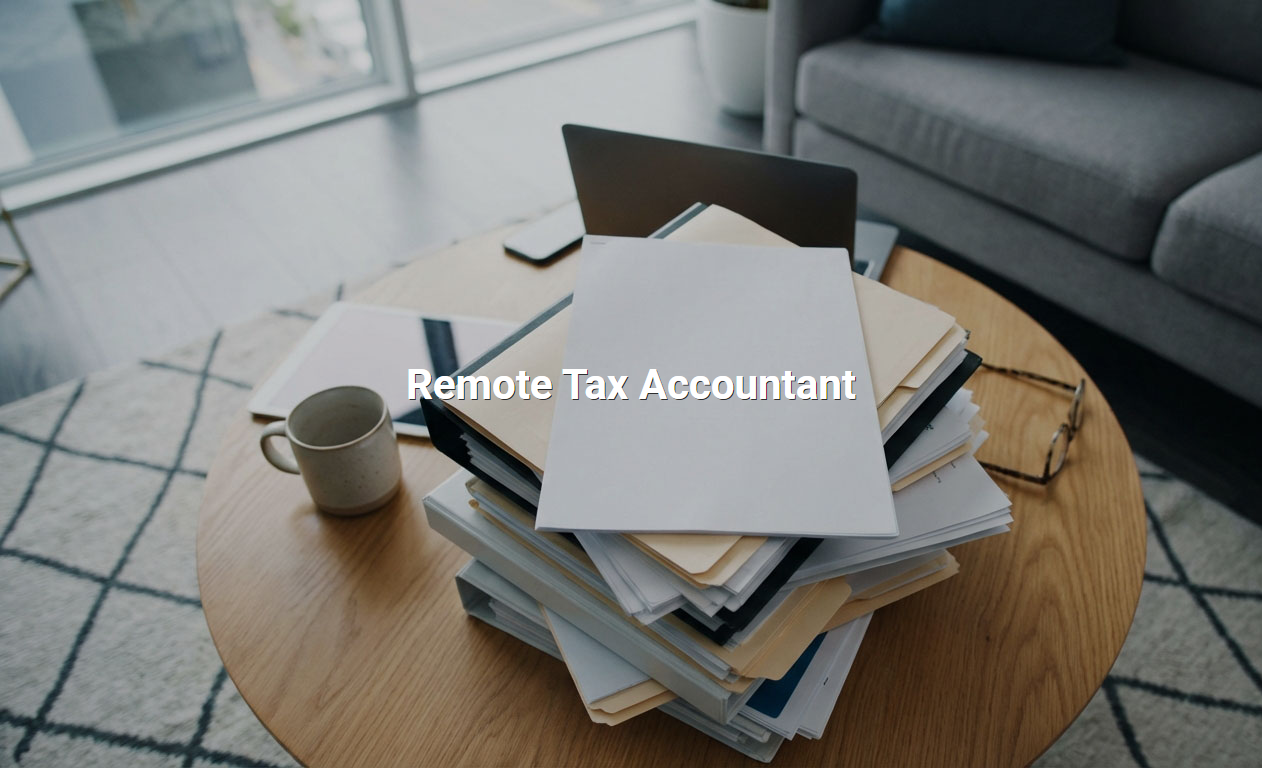
A remote tax accountant manages tax preparation and filing duties from a virtual setting, ensuring compliance with current tax laws and regulations. They analyze financial records to identify deductions and credits, optimizing tax returns for individuals or businesses. Strong attention to detail and proficiency with accounting software are essential for accurate and efficient tax reporting.
What Is a Remote Tax Accountant?
A Remote Tax Accountant is a financial professional who prepares and reviews tax returns, ensures compliance with tax laws, and provides strategic tax planning services while working from a remote location. This role involves analyzing financial records, identifying tax-saving opportunities, and communicating with clients or regulatory bodies virtually. Remote Tax Accountants utilize accounting software and digital tools to manage tax processes efficiently without being physically present in an office.
Benefits of Hiring a Remote Tax Accountant
Hiring a remote tax accountant provides access to specialized expertise without geographic limitations. Businesses benefit from flexible scheduling and reduced overhead costs associated with in-house staff.
Remote tax accountants offer timely and accurate tax preparation and planning services tailored to specific industries. Their ability to work digitally ensures faster communication and document sharing. This efficiency helps companies stay compliant with tax laws while optimizing financial outcomes.
Essential Skills for Remote Tax Accountants
Remote Tax Accountants must have expertise in tax regulations, filings, and compliance to accurately prepare and review tax documents. Proficiency in accounting software such as QuickBooks, Xero, or TurboTax is essential for managing client accounts efficiently.
Strong analytical skills enable the identification of tax-saving opportunities and resolution of discrepancies in financial data. Effective communication skills are vital for collaborating with clients and explaining complex tax concepts clearly in a virtual environment.
How to Become a Remote Tax Accountant
To become a remote tax accountant, obtain a bachelor's degree in accounting or finance, ensuring a solid foundation in tax laws and regulations. Gain relevant experience by working in tax accounting roles, focusing on proficiency with accounting software and remote collaboration tools. Obtain certifications such as CPA (Certified Public Accountant) to enhance credibility and increase job opportunities in remote settings.
Top Tools for Remote Tax Accountants
What are the top tools for remote tax accountants to enhance productivity? Remote tax accountants rely on specialized software like QuickBooks and TurboTax to manage client finances efficiently. Cloud-based platforms such as Xero and TaxSlayer enable secure, real-time collaboration and data access from any location.
How do communication tools support remote tax accountants? Tools like Slack and Microsoft Teams facilitate seamless communication between team members and clients. Video conferencing software such as Zoom helps conduct virtual meetings, ensuring clear and effective client interactions.
Remote Tax Accountant vs. Traditional Accountant
Remote Tax Accountants specialize in managing tax-related tasks from any location using digital tools, while Traditional Accountants generally work on-site handling a broader range of accounting duties. The remote role demands strong tech skills and self-discipline, contrasting with the traditional focus on in-person collaboration and physical document handling.
- Work Environment - Remote Tax Accountants operate virtually, leveraging cloud-based software to access client data securely.
- Scope of Work - Traditional Accountants often manage diverse accounting responsibilities beyond taxes, including bookkeeping and financial reporting.
- Communication - Remote Tax Accountants rely primarily on digital communication platforms, whereas Traditional Accountants typically engage in face-to-face interactions.
How to Find Reliable Remote Tax Accountants
Finding reliable remote tax accountants involves thorough research and verification of credentials such as CPA certification and relevant experience in tax preparation. Look for professionals with strong client reviews and a proven track record in handling both individual and business tax returns remotely.
Utilize reputable online platforms and professional networks that specialize in accounting services to connect with vetted remote tax accountants. Conduct detailed interviews focusing on their communication skills, technological proficiency, and understanding of current tax laws to ensure reliability and expertise.
Common Challenges Facing Remote Tax Accountants
Remote tax accountants navigate complex financial regulations while managing client data from various locations. They must maintain accuracy and compliance despite the challenges of a virtual work environment.
- Communication Barriers - Remote settings can hinder timely and clear communication with clients and team members, impacting workflow efficiency.
- Data Security Risks - Handling sensitive tax information remotely increases vulnerability to cyber threats without proper security measures.
- Technology Dependence - Reliance on digital tools and software requires continuous technical support and can disrupt productivity if systems fail.
Effective remote tax accountants implement robust communication strategies and security protocols to overcome these challenges and ensure seamless service delivery.
Secure Communication for Remote Tax Accountants
| Key Responsibility | Ensure secure communication channels for transmitting sensitive client financial information. |
|---|---|
| Security Tools | Use encrypted email services, VPNs, and secure client portals to protect data confidentiality. |
| Compliance Standards | Adhere to regulations such as GDPR, HIPAA, and IRS guidelines for data protection. |
| Data Handling | Implement secure file sharing and storage solutions with multi-factor authentication. |
| Client Interaction | Educate clients on secure communication practices to maintain trust and data integrity. |