
Remote Case Reviewer
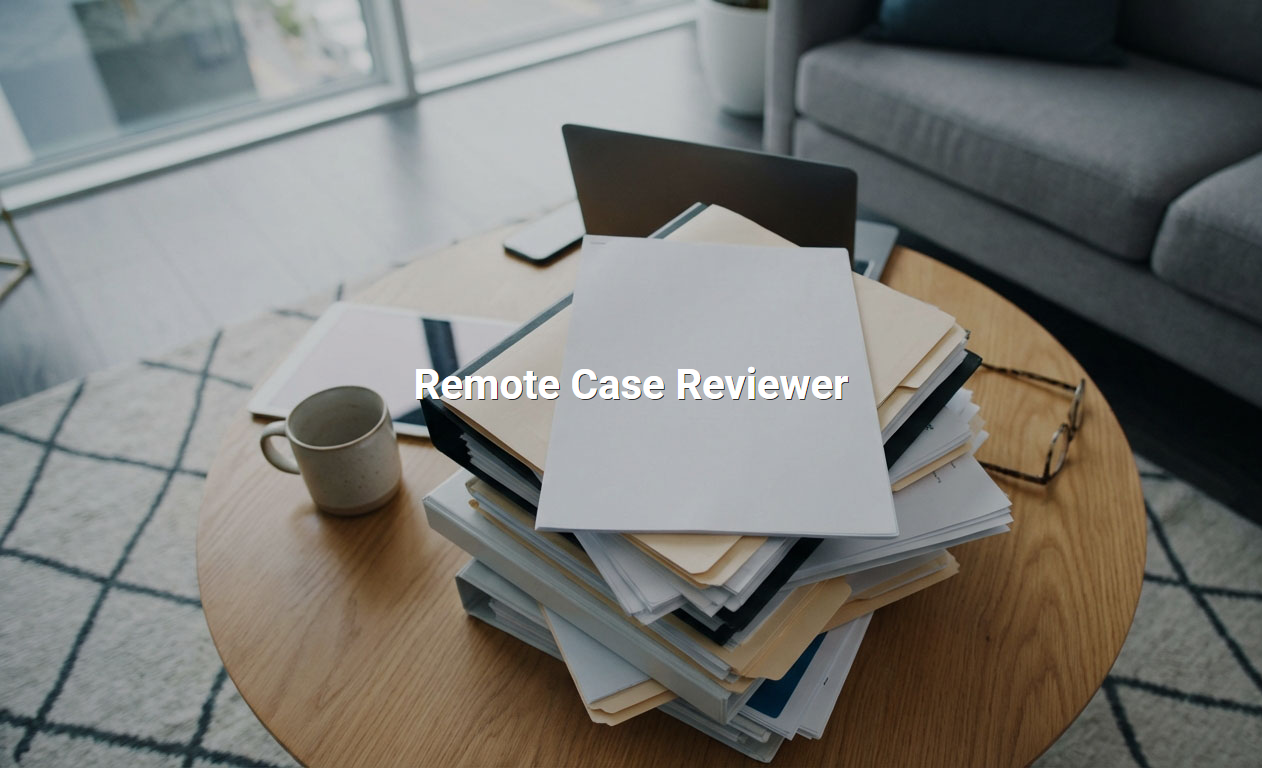
A remote case reviewer evaluates and analyzes case files from a distance, ensuring accuracy and compliance with legal or medical standards. Their responsibilities include thorough document review, identifying inconsistencies, and preparing detailed reports for decision-making. Proficiency in relevant software and strong analytical skills are essential for success in this role.
What Is a Remote Case Reviewer?
A Remote Case Reviewer evaluates medical records and related documents to ensure accuracy and compliance with healthcare regulations. They work from a remote location, analyzing case details to support insurance claims or legal investigations.
This role requires strong knowledge of medical terminology and healthcare guidelines. Remote Case Reviewers help improve patient care quality by identifying discrepancies or errors in medical documentation.
Key Responsibilities of Remote Case Reviewers
Remote Case Reviewers analyze medical records and documentation to assess the necessity, appropriateness, and quality of healthcare services provided. They ensure compliance with clinical guidelines and insurance policies by conducting thorough case evaluations.
Reviewers collaborate with healthcare providers by identifying discrepancies or gaps in medical information and recommending additional documentation or clarification. They prepare detailed reports summarizing case findings to support claim decisions and facilitate accurate reimbursement processes.
Essential Skills for Remote Case Reviewing
Remote Case Reviewers must have strong analytical skills to evaluate case details accurately and ensure compliance with relevant policies. Excellent communication abilities are essential for providing clear, concise feedback and collaborating effectively with legal teams and clients. Proficiency with case management software and remote collaboration tools enables efficient handling of multiple cases from any location.
Qualifications and Certifications Needed
A Remote Case Reviewer must have a bachelor's degree in a related field such as healthcare, law, or insurance. Certification as a Certified Professional Coder (CPC) or Certified Case Manager (CCM) is highly preferred. Strong knowledge of medical terminology, insurance policies, and case management software is essential for this role.
Step-by-Step Guide to Becoming a Remote Case Reviewer
What is the primary role of a Remote Case Reviewer? A Remote Case Reviewer examines and evaluates medical records or legal cases from a remote location to ensure accuracy and compliance. This role requires strong analytical skills and attention to detail.
How can someone start a career as a Remote Case Reviewer? Begin by obtaining relevant education or certifications in medical coding, legal studies, or a related field. Gaining experience in healthcare or legal documentation is essential for this position.
What technical skills are needed to become a Remote Case Reviewer? Proficiency in case management software and strong computer literacy are crucial. Familiarity with HIPAA regulations and data privacy standards is also important.
How does one acquire the necessary qualifications for this job? Enroll in specialized courses or certification programs focusing on medical coding, auditing, or legal case review. Participate in workshops or online training to stay updated with industry standards.
What steps should be taken to find remote case reviewer jobs? Create a professional resume emphasizing relevant experience and skills. Use job search platforms and network within professional groups focused on remote healthcare or legal case work.
Top Industries Hiring Remote Case Reviewers
Remote Case Reviewers analyze medical records and clinical documentation to ensure accuracy and compliance from a distance. They play a crucial role in healthcare, insurance, and legal industries by providing expert evaluations without onsite presence.
- Healthcare - Hospitals and healthcare providers hire Remote Case Reviewers to audit patient records for quality and regulatory compliance.
- Insurance - Insurance companies employ case reviewers to validate claims and assess medical necessity for coverage decisions.
- Legal Services - Law firms and legal consultancies utilize case reviewers for medical-legal case analyses and documentation review.
Top industries offer flexible remote opportunities for skilled case reviewers seeking work-from-home roles.
Benefits of Working as a Remote Case Reviewer
Working as a Remote Case Reviewer provides flexibility and work-life balance, allowing professionals to manage their schedules efficiently. The role offers opportunities to apply analytical skills in a dynamic environment from the comfort of home.
- Flexible Work Schedule - Enables reviewers to choose hours that fit their personal and professional lives.
- Remote Work Environment - Eliminates commute time and provides a comfortable, focused workspace at home.
- Professional Growth - Enhances critical thinking and review skills through diverse case analysis.
Challenges Faced by Remote Case Reviewers
Remote Case Reviewers often face challenges related to maintaining consistent communication with healthcare providers and managing large volumes of complex medical records. Ensuring accurate and timely case evaluations while working independently requires strong organizational skills and attention to detail.
Technical issues such as unstable internet connections or software glitches can disrupt workflow and delay case reviews. Balancing workload with tight deadlines without direct supervision presents additional pressure. Remote reviewers must also stay updated with evolving medical guidelines and insurance policies to provide accurate assessments.
Tools and Technologies for Remote Case Reviewing
| Tools | Technologies |
|---|---|
| Case Management Software | Cloud-based platforms like OnBase, i-Sight |
| Document Review Tools | Adobe Acrobat, Kofax Power PDF, Relativity |
| Communication Tools | Microsoft Teams, Zoom, Slack |
| Data Security Solutions | VPNs, Multi-factor Authentication, Encryption software |
| Collaboration Platforms | SharePoint, Google Workspace |