
Remote Litigation Paralegal
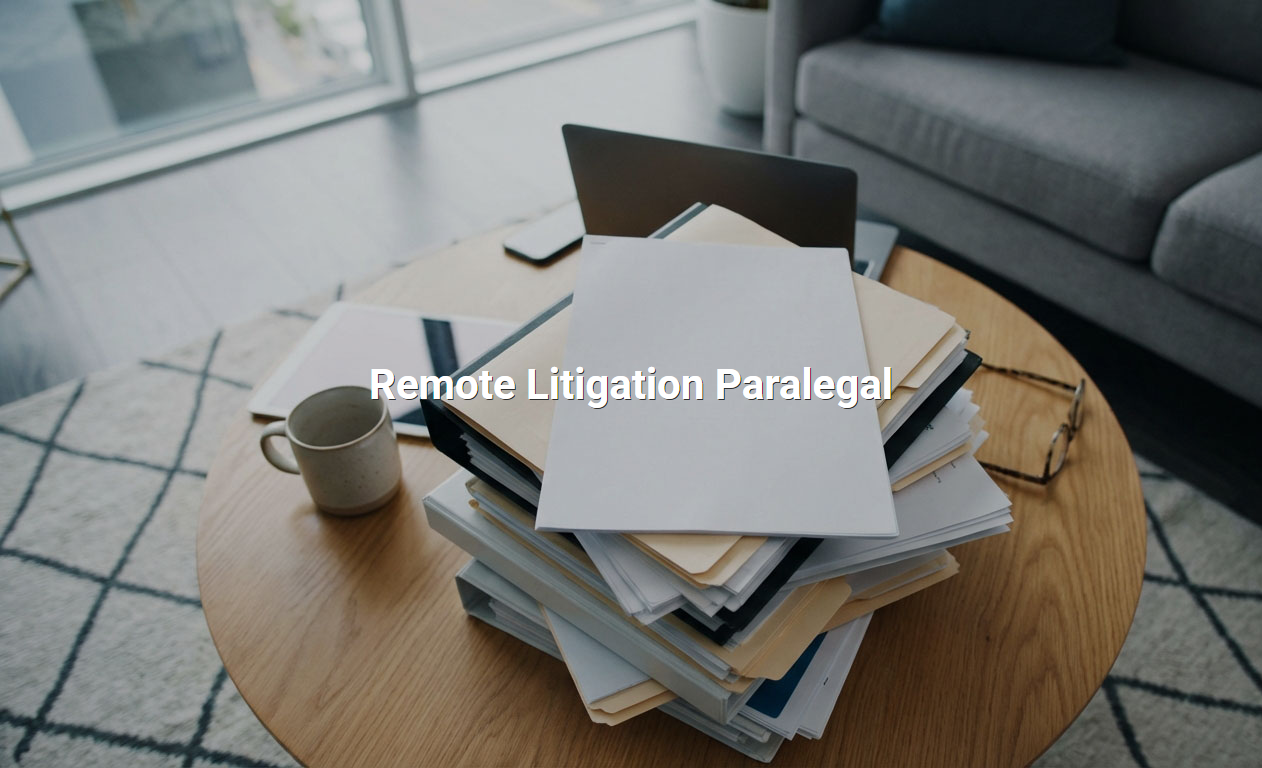
Remote litigation paralegals handle case preparation and document management from a virtual setting, supporting attorneys by conducting legal research and organizing evidence. They utilize digital tools to manage discovery processes, draft pleadings, and maintain communication with clients and courts. Expertise in litigation procedures and strong technology skills are essential for efficiently managing remote legal tasks.
Understanding the Role of a Remote Litigation Paralegal
A Remote Litigation Paralegal supports legal teams by managing case files, conducting research, and preparing documents from a remote location. This role requires strong organizational skills and familiarity with legal procedures related to litigation.
- Legal Document Preparation - Drafts, formats, and organizes pleadings, motions, and subpoenas to support case development.
- Case Research and Analysis - Performs detailed legal research and compiles relevant case law and evidence to assist attorneys.
- Communication and Coordination - Liaises with clients, court personnel, and legal teams to ensure timely case progression and information sharing.
Essential Skills for Remote Litigation Paralegals
Remote Litigation Paralegals play a crucial role in supporting legal teams by managing case files, conducting research, and preparing documents from a virtual environment. Mastery of essential skills ensures efficiency and accuracy in handling complex litigation tasks remotely.
- Strong Legal Research Abilities - Enables thorough investigation of case law, statutes, and legal precedents essential for case preparation.
- Advanced Communication Skills - Facilitates clear and concise interaction with attorneys, clients, and court officials through digital platforms.
- Proficiency with Litigation Software - Ensures effective use of e-discovery tools, case management systems, and document databases critical for remote work.
- Exceptional Organizational Skills - Supports meticulous management of multiple case documents, deadlines, and trial exhibits simultaneously.
- Attention to Detail - Guarantees accuracy in legal filings and compliance with procedural requirements in a remote setting.
Possessing these essential skills enables Remote Litigation Paralegals to maintain productivity and contribute effectively to legal proceedings regardless of physical location.
Benefits of Working as a Remote Litigation Paralegal
Working as a remote litigation paralegal offers flexibility in work hours and location, enhancing work-life balance. This role allows professionals to manage cases efficiently without commuting, saving time and reducing stress.
Remote litigation paralegals enjoy access to diverse legal cases across different jurisdictions, expanding their experience and expertise. Employers often provide advanced digital tools and resources to support seamless case management from any location. This remote setup promotes productivity and autonomy, empowering paralegals to excel in their careers while maintaining personal priorities.
Top Tools for Remote Litigation Management
A Remote Litigation Paralegal supports legal teams by managing case documents, coordinating discovery, and maintaining communication with clients and courts from a remote location. Top tools for remote litigation management include Clio for case management, Relativity for e-discovery, and Microsoft Teams for seamless collaboration. These platforms enhance efficiency, ensure secure data handling, and streamline workflow in virtual legal environments.
Key Responsibilities in Remote Litigation Support
A Remote Litigation Paralegal provides essential support by managing case files, drafting legal documents, and coordinating communication between attorneys and clients. They organize evidence, conduct legal research, and assist in trial preparation while working remotely.
They utilize litigation software to maintain databases, track deadlines, and facilitate e-discovery processes. Effective remote collaboration and timely document management are crucial for ensuring smooth case progression in a virtual environment.
How to Transition to Remote Litigation Paralegal Work
Transitioning to remote litigation paralegal work requires adapting traditional legal support skills to a virtual environment and leveraging technology for effective case management. Understanding the nuances of remote communication and digital document handling is essential for success in this role.
- Develop Proficiency with Legal Technology - Master case management software, e-discovery tools, and secure communication platforms used in remote legal work.
- Enhance Communication Skills - Cultivate clear and concise written and verbal communication to collaborate efficiently with attorneys and clients online.
- Create a Structured Home Office - Establish a dedicated, distraction-free workspace equipped with reliable internet and secure systems to maintain productivity and confidentiality.
Communication Strategies for Remote Litigation Teams
A Remote Litigation Paralegal utilizes advanced communication tools to coordinate effectively with attorneys, clients, and court personnel across different locations. Clear, concise, and timely updates ensure all team members are informed about case developments and document statuses. Proactive communication strategies help prevent misunderstandings and streamline collaboration in remote litigation environments.
Maintaining Confidentiality in Remote Legal Work
How does a Remote Litigation Paralegal maintain confidentiality in legal work? A Remote Litigation Paralegal implements secure communication tools and encrypted file storage to protect sensitive client information. Strict adherence to data privacy protocols ensures all legal documents remain confidential during remote operations.
Tips for Successful Remote Litigation Paralegals
Remote litigation paralegals play a crucial role in supporting attorneys by managing case documents, conducting legal research, and coordinating with clients and experts from a distance. Their responsibilities require strong organizational skills and proficiency with digital tools to ensure case progress without in-person supervision.
Effective communication and time management are essential tips for successful remote litigation paralegals to maintain clear collaboration with legal teams and meet strict deadlines. Mastering legal software and maintaining a distraction-free workspace enhance productivity and accuracy in handling litigation tasks remotely.