
Remote Legal Secretary
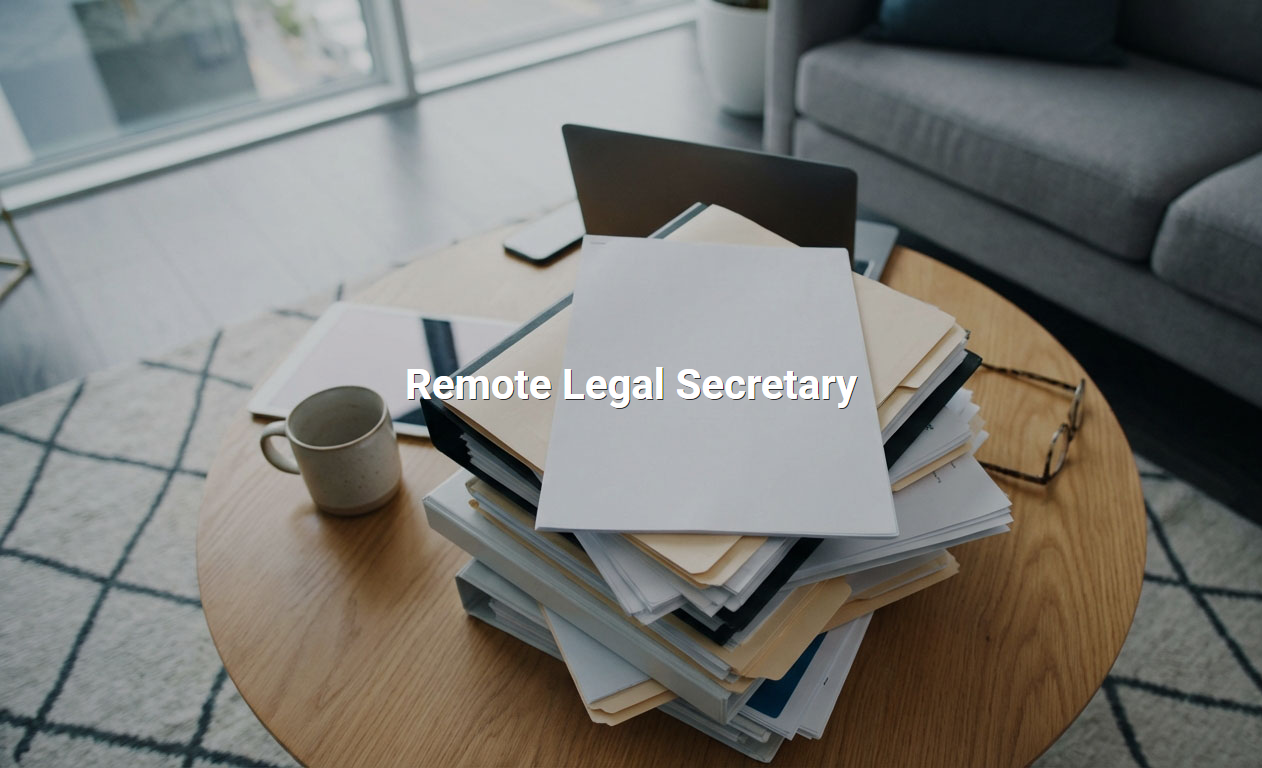
A remote legal secretary provides essential administrative support to attorneys from a virtual location, ensuring smooth legal operations. Responsibilities include managing correspondence, organizing case files, scheduling appointments, and preparing legal documents with accuracy and confidentiality. Mastery of legal terminology, strong communication skills, and proficiency in legal software are crucial for success in this role.
What Is a Remote Legal Secretary?
A Remote Legal Secretary provides administrative support to lawyers and legal teams from a remote location. They handle tasks such as managing schedules, preparing legal documents, and communicating with clients.
This role requires strong organizational skills and proficiency with legal software and communication tools. Remote Legal Secretaries enable law firms to maintain efficiency without being physically present in the office.
Key Responsibilities of a Remote Legal Secretary
What are the main duties of a Remote Legal Secretary? A Remote Legal Secretary manages legal documents and correspondence efficiently from a remote location. They coordinate schedules, prepare filings, and ensure strict confidentiality of sensitive information.
How does a Remote Legal Secretary support legal professionals? They assist lawyers by organizing case files, drafting legal documents, and communicating with clients. This role requires proficiency in legal terminology and the ability to multitask under tight deadlines.
What technology skills are essential for a Remote Legal Secretary? Expertise in legal software, document management systems, and secure communication tools is crucial. These skills enable seamless collaboration and accurate record-keeping in a virtual environment.
How does a Remote Legal Secretary ensure compliance and accuracy? By meticulously reviewing documents and following legal protocols, they minimize errors and maintain regulatory standards. Attention to detail and a thorough understanding of legal procedures are vital.
What organizational tasks does a Remote Legal Secretary handle? Managing calendars, arranging meetings, and coordinating with court officials are key responsibilities. These tasks support smooth legal operations and timely case progression.
Essential Skills for Remote Legal Secretaries
Remote Legal Secretaries play a critical role in supporting legal professionals by managing correspondence, scheduling, and document preparation from a distance. Proficiency in legal terminology and communication technology is essential for efficient virtual collaboration.
- Expert Knowledge of Legal Terminology - Enables accurate drafting and review of legal documents consistent with professional standards.
- Advanced Typing and Document Management Skills - Ensures timely and organized handling of sensitive case files and correspondence.
- Strong Communication and Interpersonal Skills - Facilitates clear interaction with attorneys, clients, and court personnel through virtual channels.
Mastering these essential skills enhances productivity and reliability in a remote legal support environment.
Benefits of Hiring a Remote Legal Secretary
Hiring a remote legal secretary enhances operational efficiency by providing flexible and specialized administrative support tailored to legal professionals. This role leverages technology to streamline document management and communication without geographical constraints.
- Cost Savings - Reduces overhead expenses such as office space and equipment by allowing secretaries to work remotely.
- Access to Talent - Enables firms to hire highly skilled professionals from a broader geographic pool, increasing the quality of support.
- Increased Productivity - Facilitates uninterrupted legal workflow through flexible scheduling and quick digital communication tools.
Top Tools for Remote Legal Secretarial Work
How to Become a Remote Legal Secretary
To become a remote legal secretary, obtain a high school diploma or equivalent and consider completing specialized legal secretary training or certification programs. Develop strong skills in legal terminology, document preparation, and proficiency with legal software and communication tools. Gain experience through internships or entry-level positions in law firms, then seek remote job opportunities on legal and professional job platforms.
Common Challenges and Solutions for Remote Legal Secretaries
Remote legal secretaries face distinct challenges that impact efficiency and communication in a virtual work environment. Addressing these challenges with practical solutions enhances productivity and ensures seamless legal support.
- Maintaining Clear Communication - Remote legal secretaries often struggle with miscommunication due to the lack of face-to-face interaction, requiring consistent use of video calls and instant messaging tools.
- Managing Confidential Information - Handling sensitive legal documents remotely demands strict adherence to cybersecurity protocols and secure file-sharing platforms.
- Balancing Work-Life Boundaries - Working from home can blur personal and professional time, making it essential to establish a structured schedule and dedicated workspace for legal tasks.
Remote Legal Secretary vs. In-Office Legal Secretary
A Remote Legal Secretary provides administrative support to legal professionals from a home or off-site location, managing tasks such as document preparation, scheduling, and client communication using digital tools. In contrast, an In-Office Legal Secretary performs similar duties within a physical law office, allowing for direct, face-to-face interaction with attorneys and staff. Remote roles demand strong self-discipline and proficiency in remote collaboration software, while in-office roles emphasize immediate accessibility and on-site coordination.
Tips for Succeeding as a Remote Legal Secretary
A Remote Legal Secretary manages legal documents, schedules, and communication for law firms from a remote location. They ensure accuracy and confidentiality while supporting attorneys efficiently.
To succeed as a Remote Legal Secretary, maintain strong organizational skills and stay proficient with legal software. Establish clear communication channels with your team and set a consistent work schedule. Prioritize time management to meet deadlines and handle multiple tasks effectively.