
Remote Virtual Secretary
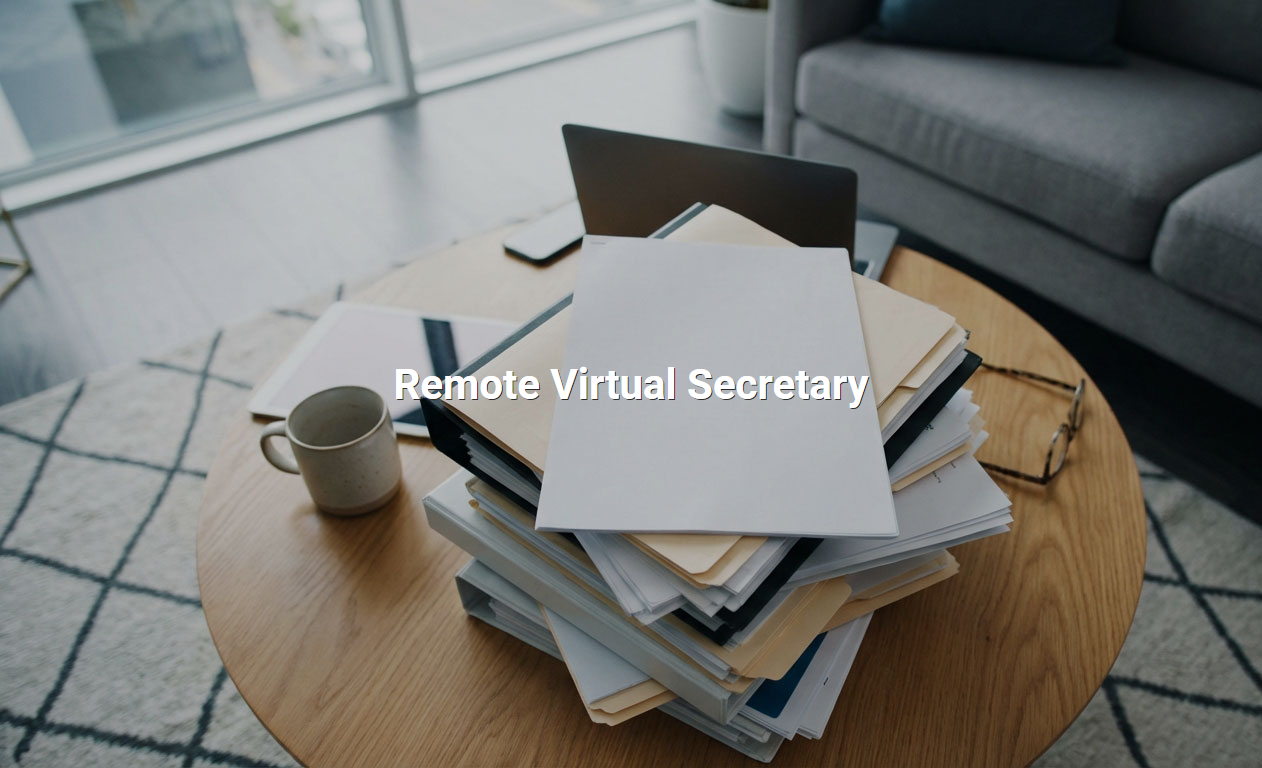
A remote virtual secretary provides administrative support from a distant location using digital communication tools. Responsibilities typically include managing schedules, handling correspondence, and organizing documents efficiently. This role requires strong organizational skills, proficiency with office software, and excellent communication abilities to ensure smooth workflow.
What is a Remote Virtual Secretary?
What is a Remote Virtual Secretary? A Remote Virtual Secretary is a professional who provides administrative support services from a remote location using digital communication tools. They handle tasks such as scheduling, correspondence, and data management to help businesses operate efficiently without the need for on-site presence.
Key Benefits of Hiring a Virtual Secretary
Hiring a Remote Virtual Secretary offers businesses flexible administrative support without the need for physical office space. This role handles scheduling, communication management, and document preparation efficiently from any location.
Key benefits include cost savings on office expenses and reduced overhead costs. A Virtual Secretary provides around-the-clock availability, enhancing productivity through timely task completion. Their expertise ensures professional handling of client interactions and data organization, improving overall business operations.
Essential Skills for Remote Secretaries
Top Tasks Handled by Virtual Secretaries
Remote Virtual Secretaries manage a wide range of administrative tasks to support business operations efficiently. They handle correspondence, schedule appointments, and organize meetings to ensure smooth communication.
Virtual Secretaries also manage data entry, prepare reports, and maintain filing systems with accuracy. They assist with client interactions, coordinate travel arrangements, and perform research to support decision-making processes.
How to Find the Right Virtual Secretary
Finding the right remote virtual secretary involves evaluating candidates' organizational skills, communication proficiency, and technical expertise in virtual office tools. Prioritize secretaries with proven experience in managing scheduling, correspondence, and administrative tasks remotely. Utilize platforms specializing in remote work to access qualified professionals and assess their credentials through reviews and sample tasks.
Remote Secretary vs. In-Office Assistant
A Remote Virtual Secretary manages administrative tasks such as scheduling, correspondence, and data entry from a remote location using digital communication tools. An In-Office Assistant performs similar duties but works on-site, allowing for immediate face-to-face interaction and access to physical office resources.
Remote Secretaries rely heavily on technology like video conferencing, cloud storage, and project management software to maintain productivity and communication. In-Office Assistants benefit from direct supervision and the ability to handle tasks requiring physical presence, such as organizing office supplies or greeting visitors.
Tools Every Virtual Secretary Should Use
A Remote Virtual Secretary manages administrative tasks from a distance using various digital tools that enhance productivity and organization. Mastery of these tools is essential to ensure seamless communication and efficient workflow.
- Communication Tools - Platforms like Zoom and Microsoft Teams enable virtual secretaries to conduct meetings and maintain clear, real-time communication with clients.
- Task Management Software - Applications such as Asana or Trello help organize schedules, track deadlines, and manage projects efficiently.
- Document Management Systems - Tools like Google Drive and Dropbox allow secure storage, easy sharing, and collaboration on documents and files remotely.
Security Considerations for Remote Secretaries
Remote virtual secretaries handle sensitive information and require strict security protocols to protect data integrity and privacy. Ensuring secure communication channels and device safety is critical to prevent unauthorized access and data breaches.
- Data Encryption - Utilize encrypted communication tools to safeguard confidential information during transmission.
- Access Control - Implement strong password policies and multi-factor authentication to restrict access to sensitive systems.
- Secure Work Environment - Maintain a private, secure workspace free from unauthorized personnel to prevent information disclosure.
Cost Comparison: Virtual vs. Traditional Secretary
Hiring a Remote Virtual Secretary offers significant cost savings compared to employing a Traditional Secretary. Businesses can reduce overhead expenses while maintaining efficient administrative support.
- Lower Salary Costs - Virtual secretaries typically charge hourly or project-based rates, avoiding full-time salary expenses.
- No Office Space Required - Remote secretaries work from their own location, eliminating the need for office infrastructure.
- Reduced Benefits and Taxes - Companies save on benefits, insurance, and payroll taxes associated with full-time employees.
Cost efficiency makes Remote Virtual Secretaries a practical alternative to traditional in-house secretarial roles.