
Remote Regulatory Writer
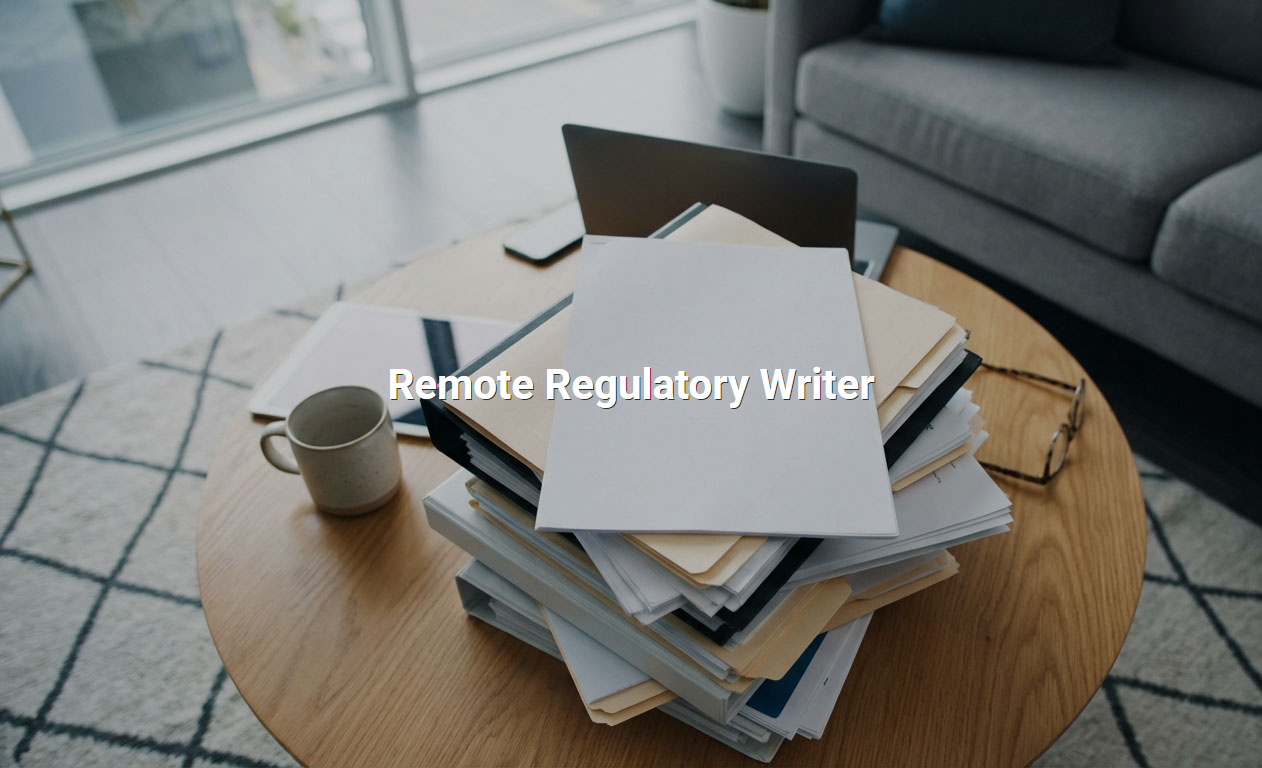
Remote regulatory writers create clear, accurate documentation to support compliance with industry standards and government regulations. They collaborate with cross-functional teams to draft, edit, and finalize regulatory submissions such as clinical study reports, investigational new drug applications, and marketing authorization documents. Proficiency in regulatory guidelines and strong writing skills ensure the effective communication of complex scientific information.
What Is a Remote Regulatory Writer?
A Remote Regulatory Writer creates and manages documents required for regulatory submissions from a remote location. This role involves clear communication of complex scientific and clinical data to meet regulatory agency guidelines.
- Document Preparation - Develops clinical study reports, protocols, and regulatory submission documents.
- Compliance - Ensures all written materials adhere to regulatory standards and guidelines.
- Collaboration - Works remotely with cross-functional teams including clinical, medical, and regulatory affairs.
Remote Regulatory Writers play a critical role in facilitating product approvals while supporting global healthcare advancements.
Key Responsibilities of Remote Regulatory Writers
Remote Regulatory Writers develop and prepare regulatory documents to support drug submissions and compliance with health authorities. They ensure accuracy, clarity, and adherence to guidelines in all written materials.
Key responsibilities include drafting clinical study reports, investigator brochures, and regulatory submission dossiers. They collaborate with cross-functional teams to gather necessary information and ensure timely delivery of documents. Maintaining up-to-date knowledge of regulatory requirements and industry standards is essential for effective communication with regulatory agencies.
Essential Skills for Remote Regulatory Writers
Remote Regulatory Writers play a crucial role in preparing and reviewing documents required for regulatory submissions in the pharmaceutical and biotechnology industries. Their expertise ensures compliance with regulatory guidelines and facilitates clear communication between sponsors and regulatory agencies.
- Strong Knowledge of Regulatory Guidelines - Expertise in FDA, EMA, ICH, and other international regulations is essential for accurate and compliant document preparation.
- Excellent Technical Writing Skills - Ability to produce clear, concise, and well-structured clinical study reports, protocols, and regulatory documents.
- Attention to Detail - Meticulous review and editing skills ensure that documents are error-free and meet strict regulatory standards.
Qualifications and Certifications Needed
A Remote Regulatory Writer must have a bachelor's degree in life sciences, pharmacy, or a related field, with advanced degrees preferred. Professional certifications such as Regulatory Affairs Certification (RAC) or Certified Medical Writer (CMW) enhance credibility and expertise. Strong knowledge of regulatory guidelines from agencies like FDA, EMA, and ICH is essential for accurate submission document preparation.
How to Find Remote Regulatory Writing Jobs
Remote regulatory writing jobs involve creating and reviewing documents required for regulatory submissions to agencies like the FDA or EMA. These roles demand strong knowledge of regulatory guidelines and excellent scientific communication skills.
Finding remote regulatory writing jobs requires targeting specialized job boards such as BioSpace, Indeed, and LinkedIn by using keywords like "remote regulatory writer" or "remote medical writer." Networking within professional groups like the Regulatory Affairs Professionals Society (RAPS) can also uncover hidden opportunities.
Benefits of Working as a Remote Regulatory Writer
What are the benefits of working as a remote regulatory writer? Remote regulatory writers enjoy flexible work hours and the ability to work from any location, enhancing work-life balance. This role also offers opportunities to collaborate with international teams while reducing commuting stress and costs.
Common Challenges in Remote Regulatory Writing
Remote Regulatory Writers are responsible for preparing and managing regulatory documents to ensure compliance with industry standards. They face unique challenges related to communication, data security, and maintaining regulatory accuracy across different time zones.
- Communication Barriers - Remote work limits face-to-face interaction, making collaboration with regulatory teams and stakeholders more difficult.
- Data Security Concerns - Handling sensitive regulatory information remotely increases the risk of data breaches and requires strict adherence to cybersecurity protocols.
- Maintaining Consistency - Ensuring document accuracy and compliance while managing varying updates from global regulatory authorities can be challenging without real-time oversight.
Tools and Technologies for Remote Regulatory Writers
| Tools | Technologies |
|---|---|
| Microsoft Office Suite (Word, Excel, PowerPoint) | Document Management Systems (DMS) like Veeva Vault, SharePoint |
| Reference Management Tools (EndNote, Mendeley) | Regulatory Submission Platforms (eCTD, CTD modules) |
| Project Management Software (JIRA, Asana, Trello) | Collaborative Communication Tools (Slack, Microsoft Teams) |
| XML Authoring Tools (Litera, Oxygen XML Editor) | Cloud Storage Solutions (Google Drive, Dropbox) |
| Spell Check and Grammar Tools (Grammarly, PerfectIt) | Data Visualization Software (Tableau, Power BI) |
Tips for Succeeding as a Remote Regulatory Writer
Remote Regulatory Writers play a vital role in preparing and reviewing documents that comply with regulatory guidelines for the pharmaceutical, biotechnology, and medical device industries. The job demands exceptional writing skills, attention to detail, and a thorough understanding of regulatory requirements.
Tips for succeeding as a Remote Regulatory Writer include establishing a dedicated workspace to maintain focus and minimize distractions. Consistently adhering to deadlines and maintaining open communication with cross-functional teams are essential for timely and accurate document delivery.