
Remote Medical Record Reviewer
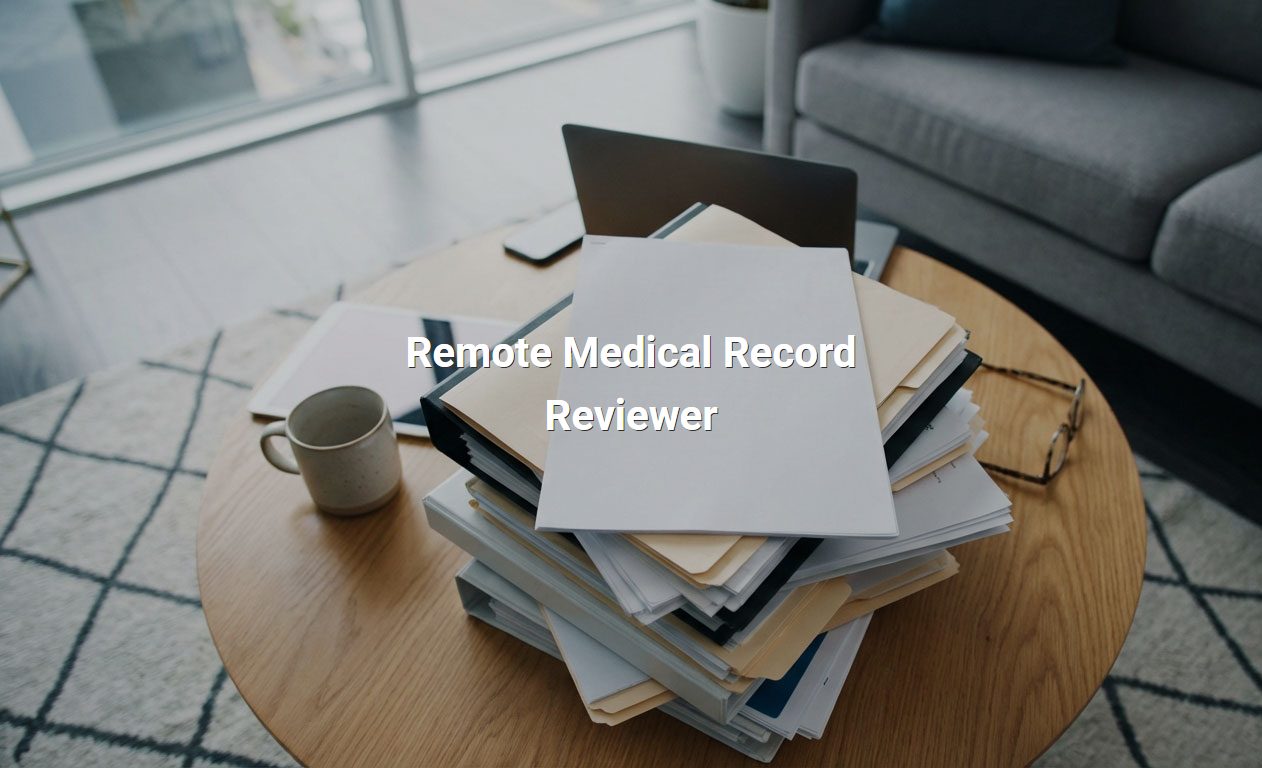
Remote medical record reviewers analyze patient records to ensure accuracy and compliance with healthcare regulations. They identify discrepancies, validate coding, and document findings to support clinical and administrative decision-making. Strong attention to detail and knowledge of medical terminology are essential for this role.
What is a Remote Medical Record Reviewer?
A Remote Medical Record Reviewer evaluates patient medical records from a distance to ensure accuracy, completeness, and compliance with healthcare standards. This role involves analyzing clinical documents to support quality care and proper billing practices.
- Medical Document Analysis - Reviews and interprets clinical notes, test results, and treatment plans for accuracy and consistency.
- Compliance Verification - Ensures medical records meet regulatory guidelines and healthcare policies.
- Remote Access - Conducts reviews using secure digital platforms without needing to be onsite.
This position plays a critical role in maintaining healthcare documentation quality while offering the flexibility of remote work.
Key Responsibilities of a Remote Medical Record Reviewer
A Remote Medical Record Reviewer evaluates patient medical records for accuracy, completeness, and compliance with healthcare regulations. They ensure documentation supports clinical decisions and billing requirements.
The role involves identifying discrepancies, coding errors, and potential fraud in medical records. Reviewers collaborate with healthcare providers to clarify information and assist in quality improvement initiatives.
Essential Skills for Remote Medical Record Reviewers
Remote Medical Record Reviewers must possess strong analytical skills to accurately evaluate patient records for quality and compliance. Proficiency in medical terminology, coding systems, and healthcare regulations is essential for effective documentation assessment. Excellent communication skills enable clear reporting of findings and collaboration with healthcare professionals.
Qualifications and Certifications Needed
Remote Medical Record Reviewers must possess a strong background in healthcare, typically requiring a degree in nursing, health information management, or a related field. Certifications such as Certified Professional Medical Auditor (CPMA) or Registered Health Information Technician (RHIT) enhance credibility and expertise in medical coding and auditing. Proficiency in medical terminology, coding systems like ICD-10 and CPT, and experience with electronic health record (EHR) systems are essential qualifications for this role.
Benefits of Working as a Remote Medical Record Reviewer
Working as a Remote Medical Record Reviewer offers flexible scheduling and the ability to work from any location, enhancing work-life balance. This position provides access to a variety of healthcare cases, contributing to continuous professional growth.
Employees benefit from reduced commuting time and expenses, leading to increased productivity and job satisfaction. Many employers offer competitive salaries, comprehensive health benefits, and opportunities for certification reimbursement. The remote nature of the job supports a comfortable and personalized work environment.
Common Challenges and How to Overcome Them
What are the common challenges faced by Remote Medical Record Reviewers? Remote reviewers often struggle with incomplete or inconsistent medical records that complicate accurate assessments. Limited access to patient history and delayed communication with healthcare providers can hinder timely decision-making.
How can Remote Medical Record Reviewers overcome the challenge of incomplete documentation? Utilizing advanced health information systems and requesting clarifications promptly helps ensure comprehensive record evaluation. Continuous training on documentation standards enhances reviewers' ability to identify and address gaps effectively.
What strategies help manage technical difficulties in remote reviewing environments? Reliable internet connections and updated software platforms minimize disruptions during review sessions. Establishing IT support protocols ensures quick resolution of technology-related issues, maintaining workflow efficiency.
How do Remote Medical Record Reviewers handle the challenge of maintaining patient confidentiality? Strict adherence to HIPAA regulations and secure data encryption protect sensitive information. Regular security audits and privacy training reinforce compliance throughout the review process.
What methods improve communication between remote reviewers and healthcare teams? Scheduled virtual meetings and real-time messaging platforms facilitate prompt clarification of clinical details. Building collaborative relationships fosters trust and enhances the accuracy of medical record reviews.
Important Tools and Technologies Used
| Tool/Technology | Purpose |
|---|---|
| Electronic Health Record (EHR) Systems | Accessing and reviewing patient medical histories, treatment plans, and clinical documentation |
| Medical Coding Software | Ensuring accurate coding of diagnoses and procedures for compliance and reimbursement |
| Clinical Documentation Improvement (CDI) Tools | Enhancing the quality and clarity of medical records |
| Secure Communication Platforms | Facilitating confidential communication between reviewers, doctors, and billing departments |
| Data Analysis and Reporting Software | Analyzing trends and generating reports on medical record accuracy and compliance |
How to Find Remote Medical Record Reviewer Jobs
Remote Medical Record Reviewer jobs involve analyzing patient records to ensure accuracy, compliance, and proper coding. This role requires attention to detail and knowledge of medical terminology and healthcare regulations.
To find Remote Medical Record Reviewer jobs, explore specialized healthcare job boards like Health eCareers and Indeed. Networking with medical coding professionals and joining relevant LinkedIn groups can also provide valuable job leads.
Tips for Succeeding as a Remote Medical Record Reviewer
Remote Medical Record Reviewers play a critical role in ensuring the accuracy and completeness of patient health information from a remote setting. Success in this position requires attention to detail, strong medical knowledge, and effective time management skills.
Mastering key strategies can enhance performance and career growth in this remote healthcare role.
- Develop deep familiarity with medical terminology - Understanding complex medical language improves accuracy when reviewing patient charts and records.
- Maintain strict data confidentiality - Adhering to HIPAA regulations safeguards patient privacy in all remote communications and document handling.
- Create a dedicated, distraction-free workspace - A quiet and organized environment supports focused and efficient review of medical records.